How is timber produced?
How Is Timber Produced?
Timber is a material that plays a quiet yet powerful role in almost every corner of our lives. From the roofs of our homes to doors, from kitchen cabinets to elegant furniture—even from bridges to boats—timber is one of the fundamental building blocks shaping our living spaces.
Although it may seem like an ordinary material in daily life, timber production is actually a delicate and meticulous process. It starts with selecting the right trees and continues through drying, cutting, and processing stages until it reaches its final form. This process determines both the durability and aesthetic value of the material.
The production journey ensures that a piece of timber can last for years in our homes or workplaces. It is also a reflection of the harmony between nature and human craftsmanship. Every fiber and grain is carefully processed to provide both function and beauty.
1. Tree Selection
The journey of timber begins in the forest. Each tree holds a different value and purpose. For furniture, trees with smooth fibers and fewer cracks are preferred, while for construction, stronger and more durable types are selected.
Selection is not only about the type of tree but also the timing of cutting. Winter is usually preferred because sap flow is slower, resulting in less moisture and deformation. This step is crucial for producing high-quality timber.
2. Cutting and Transportation
Once the right tree is selected, it is carefully cut using modern machinery or traditional saws. The goal is to turn it into logs without damaging its structure. These logs are then transported with great care to prevent cracks or deformation.
Transportation is usually done with cranes and trucks. In some cases, especially near rivers, logs can be transported by water—an old but environmentally friendly method.
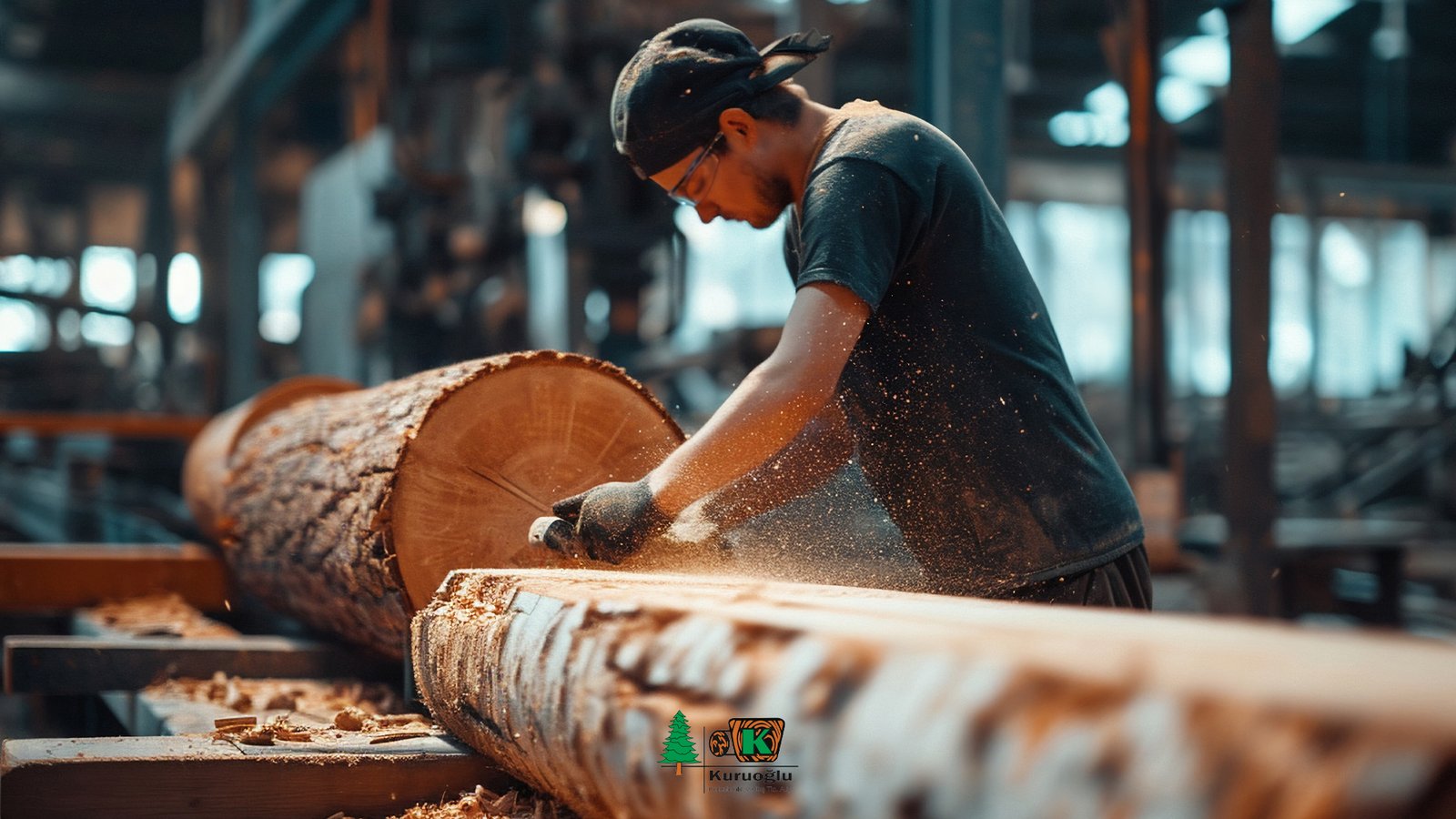
3. Initial Processing: Debarking
At the factory, logs are stripped of their bark. This step is important not only for appearance but also for preventing pests and ensuring proper drying.
After debarking, logs are sorted by size and quality. Larger and smoother logs are used for high-quality timber, while smaller or damaged ones are directed to other uses. This stage requires experience and careful judgment.
4. Drying: A Process of Patience
Drying is one of the most critical stages in timber production. Freshly cut wood contains a high amount of moisture and cannot be used immediately. Without proper drying, it may crack, warp, or rot.
There are two main drying methods: natural drying and kiln drying. Natural drying takes months or even years but produces high-quality results. Kiln drying, on the other hand, uses controlled heat and humidity to speed up the process and ensure stability.
5. Cutting and Shaping
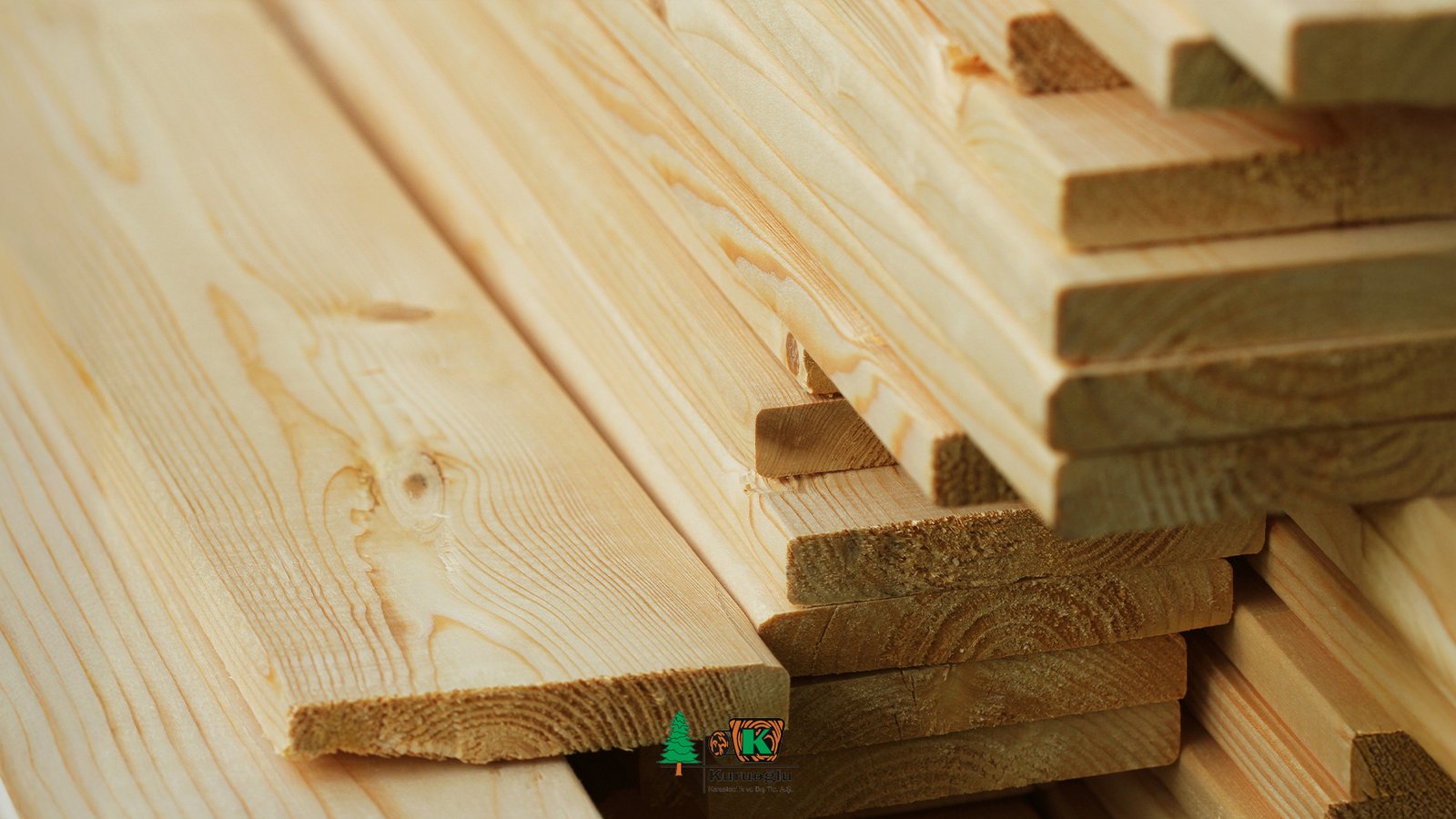
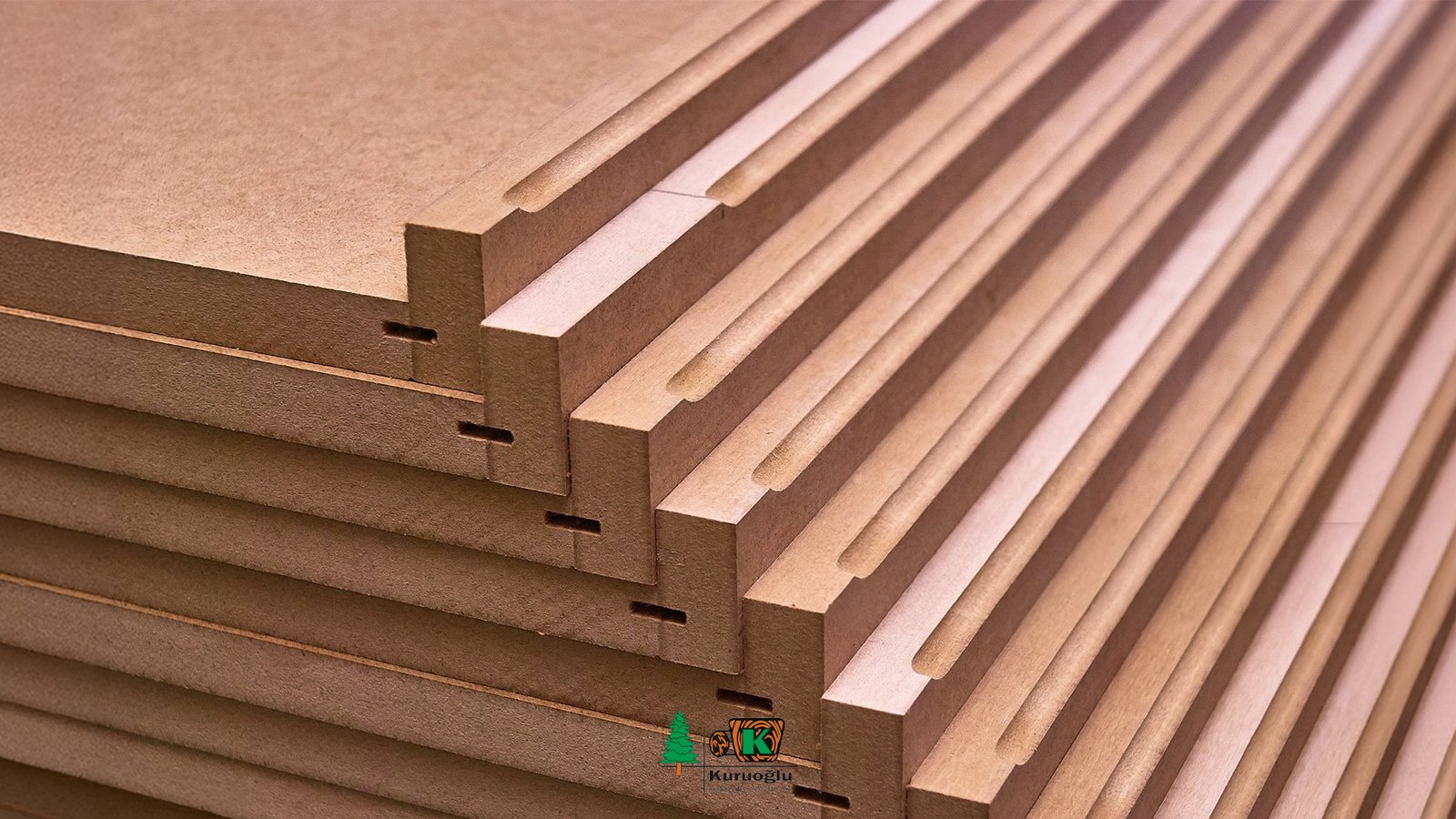
Once dried, the timber is cut into desired sizes and shapes using saws and planers. Some pieces are turned into boards, others into beams or strips.
During this stage, surfaces are smoothed, imperfections are removed, and edges are refined. Timber intended for furniture undergoes strict quality control to ensure both durability and visual appeal.
6. Packaging and Distribution
The final step is packaging and preparing the timber for distribution. Protective coverings are used to prevent moisture damage during transport.
The timber is then delivered to construction companies, furniture manufacturers, and retail stores. This journey—from forest to factory to home—is a true collaboration between nature and human effort.
Timber is more than just a material; it represents years of natural growth combined with human craftsmanship. The next time you see a wooden table, chair, or cabinet, remember that it carries a story of patience, nature, and skilled workmanship.
If you would like to learn more about timber production, types, or applications, feel free to contact us. We would be happy to share all the details with you.