How to Make MDF
MDF Production: How Is It Made?
MDF, which most people know only as a material for furniture and decoration, actually appears in many areas of daily life. From shelves to cabinets, from doors to tables and coffee tables, many items go through the production process of this special material. So, how does MDF come to life? It is formed by combining fine wood fibers and shaping them through heat, pressure, and special processes. The result is a material that is both durable and aesthetically pleasing. Exploring the production journey of MDF in a simple way is both fascinating and thought-provoking.
What Is MDF?
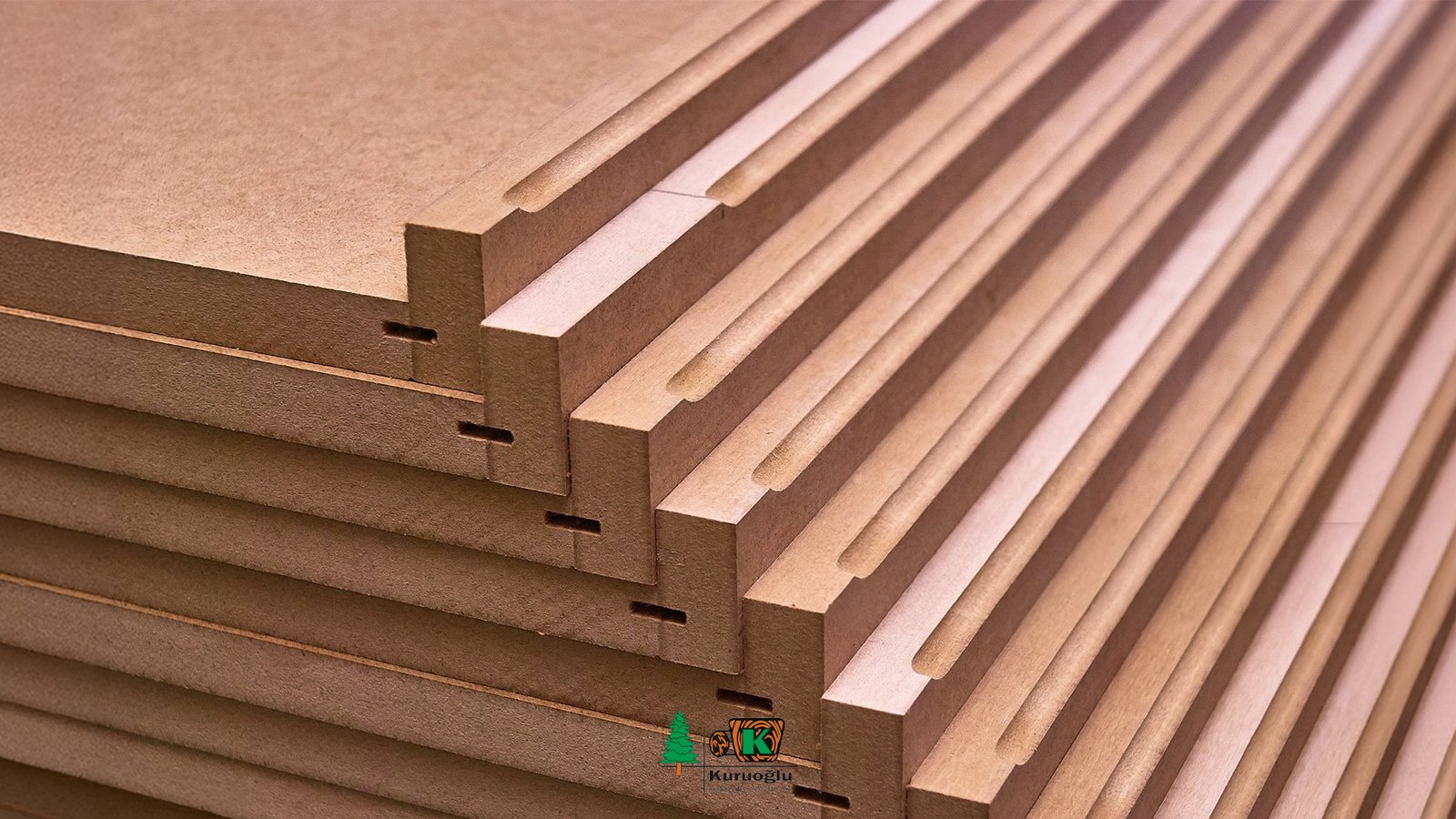
MDF stands for “Medium Density Fiberboard.” In simple terms, it is made by combining small wood particles and fibers using a special method and pressing them into a smooth, durable board. These boards are widely used in furniture, cabinets, shelving systems, and decorative products. But MDF is more than just a board; every piece requires care, effort, and a bit of craftsmanship. Its production process is full of interesting and detailed steps.
How Is MDF Produced?
1. Raw Material Selection
Everything starts with selecting the right raw materials. Wood chips, fibers, or recycled wood materials are commonly used. Even old furniture can sometimes be turned into new MDF boards. The key is to ensure the fibers are clean and free of impurities like stones or dust, as these can cause issues during production.
2. Fiber Preparation
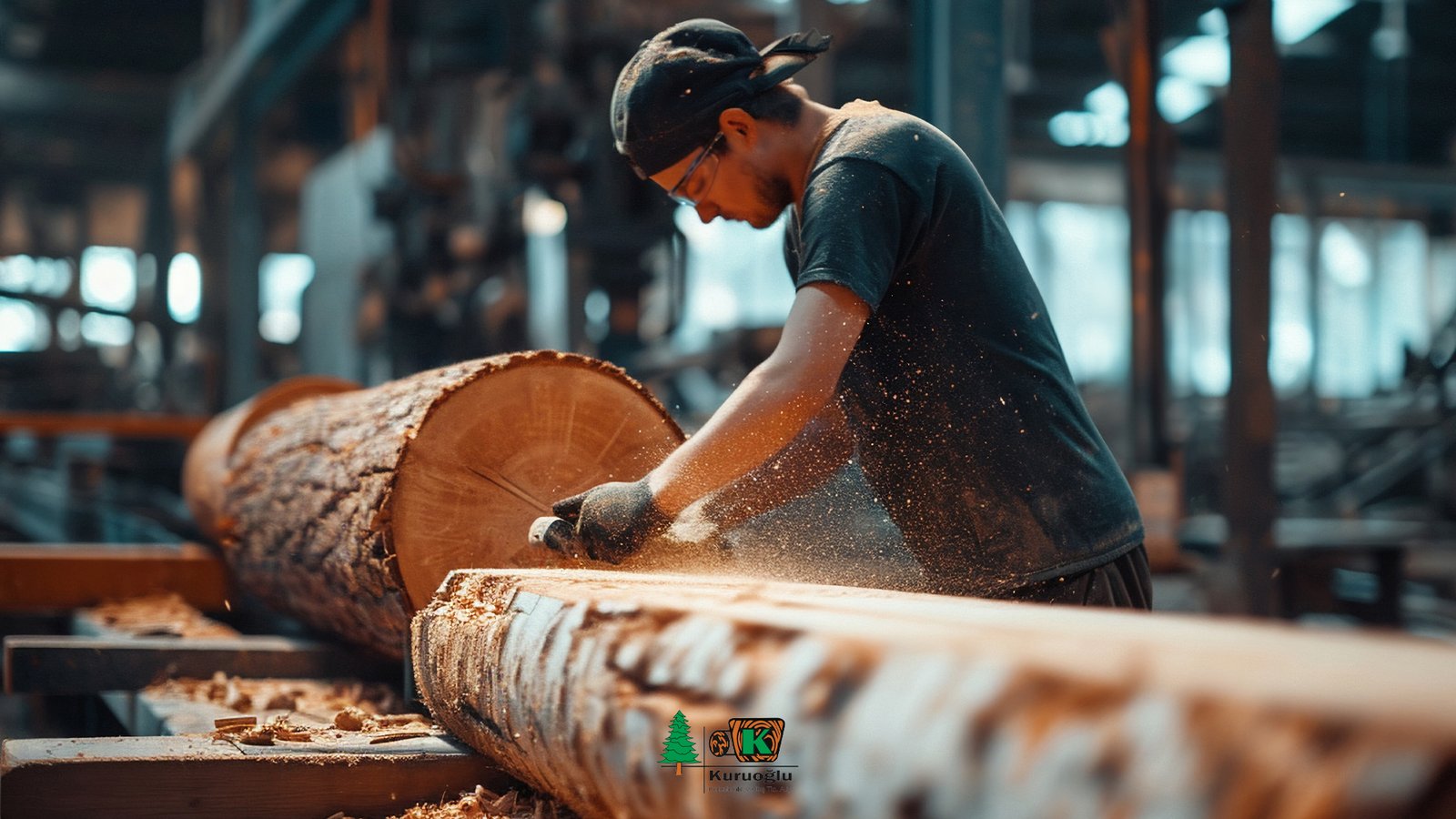
The raw materials are processed into fine, uniform fibers using large machines. A large log is transformed into small, consistent fibers ready for pressing. Moisture content is crucial here—too dry and they won’t bond, too wet and problems occur during pressing.
3. Adding Resin and Binders
Resins and binders are added to hold the fibers together. This mixture gives MDF its strength and flexibility. Although this step involves chemistry, it is done safely under controlled industrial standards.
4. Mixing and Homogenization
The fibers and resin are thoroughly mixed to ensure an even distribution. This step is essential for creating a uniform board with consistent strength throughout.
5. Pressing and Shaping
The mixture is pressed under high heat and pressure to form boards. This process bonds the fibers tightly and gives MDF its final shape. Pressing time varies depending on thickness and production capacity.
6. Cooling and Cutting
After pressing, the boards are cooled to stabilize their structure. Once cooled, they are cut into standard sizes for use in furniture and other applications.
7. Surface Finishing
Finally, the surface is smoothed, often by sanding, to achieve a fine finish. Additional coatings can be applied to enhance water or fire resistance, making the boards more versatile.
Advantages of MDF
- Smooth Surface: Easy to paint, laminate, or decorate.
- Easy to Work With: Can be cut, drilled, and shaped easily.
- Cost-Effective: More affordable than solid wood.
- Eco-Friendly: Often made from recycled wood materials.
MDF is more than just a board—it is a practical, aesthetic, and economical material. Whether you're designing furniture or redecorating your space, MDF offers flexibility and ease of use. Let your creativity flow and create amazing projects with MDF!